Selected work

Real problems.
Working AI.

Recent engagements with small and mid-sized businesses — what was broken, what we built, and what changed.

1 · E-commerce

Homeware retailer, Hong Kong · 38 staff
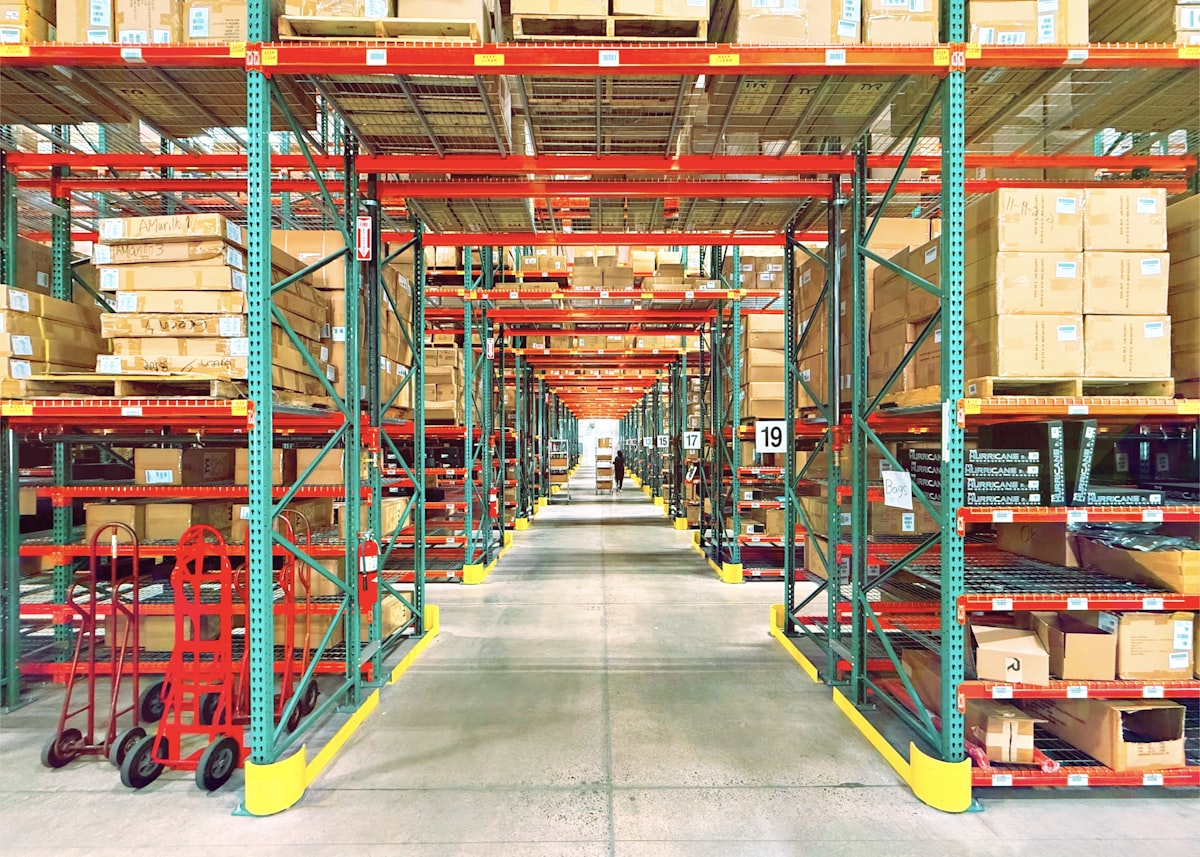
Warehouse aisles with tall shelving and picking bins Warehouse shelving with picking bins — atmospheric, shallow depth of field.

“Our team stopped firefighting and started selling.”

— Head of Operations

The problem

Over 1,200 customer messages a week across WhatsApp, email, and marketplace chats. Average reply time: six hours. Meanwhile, the buying team ordered stock on gut feel — best-sellers sold out while slow movers piled up in the warehouse.

What we built

An AI service agent connected to their order system and logistics tracking, answering across all three channels with instant order status, returns handling, and product questions — and a clean handoff to humans for anything sensitive. Alongside it, a demand forecasting model that turns sales history and seasonality into weekly purchase suggestions.

What changed

The service team stopped copy-pasting and started handling the conversations that actually need a human. Buying decisions now start from a forecast instead of a feeling.

71%

of inquiries resolved instantly

6 hrs → under 1 min

reply time

−22%

overstock in two quarters

2 · Business services

B2B services company, Hong Kong · 45 staff

A busy open-plan office with people working at rows of desks Open-plan office at work — rows of desks and screens, people mid-task; natural light.

“The office finally runs on answers, not interruptions.”

— General Manager

The problem

Inboxes ran the day. Client replies waited on whoever knew the account, meeting decisions lived in personal notebooks, and the same questions — where's the template, what did we agree, who has the latest version — bounced around the office for hours. Every Friday, managers rebuilt the weekly report by hand.

What we built

A shared AI office assistant that works inside their email and chat. It drafts replies in each person's tone for one-click approval, turns meetings into minutes with owners and deadlines, and keeps documents filed and findable. Behind it sits a knowledge assistant trained on the company's own drive — policies, templates, past projects — so anyone can ask and get the company's answer, source attached. The Friday report now assembles itself from the week's activity.

What changed

Replies go out the same day instead of when someone gets to it. Decisions leave the meeting room with owners attached. And new joiners find answers in seconds instead of interrupting whoever sits closest.

−65%

time spent on routine email

100%

of meetings minuted, with owners and deadlines

4 hrs/week

of manager reporting time saved

3 · Professional services

Accounting firm, Hong Kong · 26 staff

Close detail of a calculator held over financial documents on a desk Close detail of documents and a calculator on a desk — warm lamp against cool shadows.

“Juniors learn faster, and seniors finally do the work we hired them for.”

— Managing Partner

The problem

Thousands of receipts, invoices, and bank statements entered by hand every month. During tax season, senior accountants spent their days answering the same internal questions instead of reviewing work.

What we built

A document pipeline that classifies incoming files, extracts the figures, and posts them to their accounting software through a human review queue — nothing enters the ledger unchecked. Plus an internal knowledge assistant trained on the firm's own procedures and current tax references, with every answer citing its source so staff can verify.

What changed

Juniors review instead of retype. Seniors finally have time for the advisory work clients actually pay a premium for.

−80%

manual entry time

5 days

faster month-end close

300+

staff-hours saved in peak season

4 · Food & beverage

Restaurant group, 12 outlets · 180 staff

Chefs preparing and plating dishes during service in a busy restaurant kitchen A restaurant kitchen pass at service — motion, steam, plated dishes under the heat lamps.

“Every outlet now runs like our best outlet.”

— Founder

The problem

Daily prep was decided by gut feel, so food waste and sold-out best-sellers happened in the same week. Managers lost a full day each week building rosters, and performance data lived in five different systems.

What we built

Per-outlet sales forecasting that factors in weather, holidays, and local events — driving daily prep and ordering suggestions. A rostering assistant that drafts schedules around labour rules and staff preferences for manager approval. And an automated morning digest giving every manager yesterday's numbers and today's plan in one message.

What changed

Prep follows the forecast, rosters take minutes, and every outlet starts the day knowing exactly where it stands.

−24%

food waste

10 hrs/week

of manager admin saved

½

the best-seller sellouts

Your industry isn't here?

Even better — let's write the next one.

Book a consultation